
シームレスな会話に最適なAIチャットボットアプリ
In recent years, the rise of artificial intelligence has transformed various sectors, and one of the most notable advancements has been in the realm of communication. AI chatbot apps have emerged as powerful tools that facilitate interactions between businesses and their customers. These applications leverage natural language processing and machine learning to simulate human-like conversations, providing users with instant responses and assistance.
As organizations increasingly recognize the value of enhancing customer experience, the adoption of AI chatbots has surged, making them an integral part of modern customer service strategies. The appeal of AI chatbot apps lies not only in their ability to provide quick answers but also in their capacity to learn and adapt over time. By analyzing user interactions, these chatbots can refine their responses, becoming more effective in addressing customer inquiries.
This evolution has led to a growing reliance on chatbots across various industries, from e-commerce to healthcare, where they serve as virtual assistants, guiding users through processes and offering personalized recommendations. As technology continues to advance, the potential for AI chatbot apps to revolutionize communication remains vast.
キーテイクアウェイ
- AI chatbot apps are revolutionizing customer engagement and support by providing automated, intelligent conversations with users.
- When choosing an AI chatbot app, look for features such as natural language processing, multi-channel support, and integration with existing systems.
- Seamless conversations are crucial for AI chatbot apps to provide a positive user experience and build trust with customers.
- Some top AI chatbot apps for seamless conversations include Chatfuel, ManyChat, and MobileMonkey.
- Comparing AI chatbot apps based on their features, pricing, and user reviews can help businesses make informed decisions.
- AI chatbot apps improve customer engagement by providing instant responses, personalized interactions, and 24/7 availability.
- To use AI chatbot apps effectively, businesses should train their chatbots, monitor conversations, and continuously optimize their performance.
- The future of AI chatbot apps is promising, with advancements in machine learning and AI technology leading to more sophisticated and human-like interactions.

Features to Look for in an AI Chatbot App
Natural Language Processing Capabilities
First and foremost, natural language processing capabilities are essential. A chatbot that can understand and interpret user queries in a conversational manner will significantly enhance the user experience. This feature allows the chatbot to engage in more meaningful dialogues, making interactions feel less robotic and more human-like.
Integration Capabilities
Another critical aspect is integration capabilities.
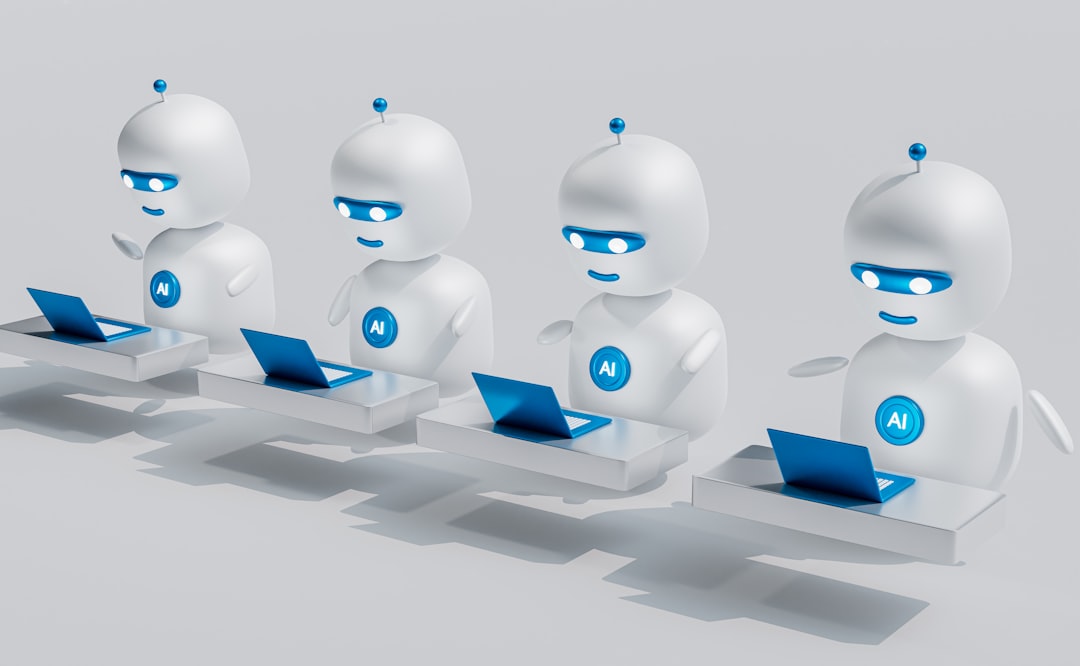
This integration enables the chatbot to access relevant data, providing users with personalized responses based on their previous interactions or purchase history.
Analytics and Reporting Features
Additionally, analytics and reporting features are vital for businesses to track the performance of their chatbots. By analyzing user engagement metrics, companies can identify areas for improvement and optimize their chatbot strategies accordingly.
The Importance of Seamless Conversations

Seamless conversations are at the heart of effective communication between businesses and customers. In an age where consumers expect instant gratification, the ability of an AI chatbot to provide quick and coherent responses can significantly impact customer satisfaction. A seamless conversation minimizes frustration and enhances the overall user experience, fostering a sense of trust and reliability in the brand.
When customers feel understood and valued during their interactions, they are more likely to return for future engagements. Moreover, seamless conversations contribute to higher conversion rates. When a chatbot can guide users through a sales funnel without interruptions or misunderstandings, it increases the likelihood of completing a purchase.
The fluidity of conversation allows for real-time problem-solving, addressing customer concerns promptly and effectively. In this way, businesses can leverage AI chatbots not only as support tools but also as strategic assets that drive sales and enhance customer loyalty.
Top AI Chatbot Apps for Seamless Conversations
| Chatbot App | Platform | Integration | Language Support |
|---|---|---|---|
| Dialogflow | Web, Mobile | Google Assistant, Facebook Messenger | Multiple languages |
| IBM Watson Assistant | Web, Mobile | Slack, Salesforce, Zendesk | Multiple languages |
| Microsoft Bot Framework | Web, Mobile | Skype, Microsoft Teams | Multiple languages |
| Chatfuel | Facebookメッセンジャー | Facebook, Instagram | Multiple languages |
Several AI chatbot apps have gained recognition for their ability to facilitate seamless conversations. One standout is Drift, which focuses on real-time communication and lead generation. Drift's chatbots are designed to engage website visitors instantly, answering questions and capturing leads without delay.
Its user-friendly interface allows businesses to customize conversations based on user behavior, ensuring that interactions are relevant and timely. Another notable contender is Intercom, which combines chatbots with a comprehensive customer messaging platform. Intercom's chatbots can handle a wide range of inquiries while also providing users with access to human agents when necessary.
This hybrid approach ensures that customers receive immediate assistance while still having the option for more complex issues to be addressed by a human representative. The flexibility offered by Intercom makes it a popular choice among businesses looking to enhance their customer support capabilities.
Comparison of AI Chatbot Apps
When comparing AI chatbot apps, several factors come into play that can influence a business's decision-making process. Pricing is often a significant consideration; some apps offer tiered pricing models based on features and usage levels, while others may have a flat fee structure. Businesses must evaluate their budget against the features offered by each app to determine which solution provides the best value.
User experience is another critical aspect to consider. A chatbot app that is easy to set up and customize will save time and resources in the long run. Additionally, the quality of customer support provided by the app's developers can greatly impact a business's experience with the software.
Companies should seek out reviews and testimonials from other users to gauge the reliability and effectiveness of each chatbot app before making a commitment.
How AI Chatbot Apps Improve Customer Engagement
24/7 Availability and Accessibility
One of the key benefits of AI chatbot apps is their ability to provide 24/7 availability, ensuring that customers can receive assistance whenever they need it, regardless of time zones or business hours. This constant accessibility fosters a sense of reliability and convenience that modern consumers have come to expect.
パーソナライズされたインタラクション
AI chatbots can also personalize interactions based on user data and preferences. By analyzing past interactions and purchase history, chatbots can tailor their responses to meet individual needs, creating a more engaging experience for users. This level of personalization not only improves customer satisfaction but also encourages repeat business as customers feel valued and understood by the brand.
顧客体験の向上
The combination of 24/7 availability and personalized interactions provided by AI chatbot apps results in an enhanced customer experience. By providing timely and relevant support, businesses can build trust and loyalty with their customers, ultimately driving long-term growth and success.
Tips for Using AI Chatbot Apps Effectively
To maximize the benefits of AI chatbot apps, businesses should implement several best practices.
Whether it is for customer support, lead generation, or sales assistance, having a well-defined purpose will guide the development and implementation process.
Additionally, regular monitoring and updating of the chatbot's performance are essential for continuous improvement. Businesses should analyze user interactions and feedback to identify areas where the chatbot may be falling short or where enhancements can be made. By iterating on the chatbot's capabilities based on real-world usage data, companies can ensure that their AI solution remains effective and relevant over time.
The Future of AI Chatbot Apps
The future of AI chatbot apps appears promising as advancements in technology continue to shape their capabilities. With ongoing developments in natural language processing and machine learning algorithms, chatbots are expected to become even more sophisticated in understanding context and nuance in conversations. This evolution will enable them to handle increasingly complex inquiries with greater accuracy.
Moreover, as businesses continue to prioritize customer experience, the integration of AI chatbots into various platforms will likely expand. From social media channels to mobile applications, chatbots will become ubiquitous in facilitating communication across multiple touchpoints. As they evolve into more intelligent virtual assistants, AI chatbots will not only enhance customer engagement but also redefine how businesses interact with their audiences in an increasingly digital world.
In conclusion, AI chatbot apps represent a significant leap forward in communication technology, offering businesses innovative ways to engage with customers effectively. By understanding their features, importance in seamless conversations, and potential for future growth, organizations can harness the power of these tools to enhance customer experiences and drive success in an ever-evolving marketplace.
If you are looking to implement a customer-centric strategy for success in your small business, you may want to consider incorporating the best AI chatbot app to enhance your customer service experience. According to a related article on small business growth and customer-centric strategies, having a chatbot can streamline communication with customers and provide quick and efficient responses to their inquiries. To learn more about how AI chatbots can benefit your business, check out this article ここは .
よくあるご質問(FAQ)
What is an AI chatbot app?
An AI chatbot app is a software application that uses artificial intelligence to simulate human conversation through text or voice interactions. These chatbots are designed to understand and respond to user queries in a natural and conversational manner.
What are the features of the best AI chatbot app?
The best AI chatbot app typically includes features such as natural language processing, machine learning capabilities, multi-channel support, integration with third-party applications, analytics and reporting, and the ability to handle complex conversations and tasks.
How does an AI chatbot app work?
An AI chatbot app works by using natural language processing and machine learning algorithms to understand user input and generate appropriate responses. The chatbot analyzes the user's query, identifies the intent behind it, and then formulates a relevant and contextual response.
What are the benefits of using the best AI chatbot app?
Some of the benefits of using the best AI chatbot app include improved customer service, 24/7 availability, faster response times, reduced operational costs, increased efficiency, personalized interactions, and the ability to handle a large volume of inquiries simultaneously.
What are some popular use cases for AI chatbot apps?
AI chatbot apps are commonly used for customer support, lead generation, appointment scheduling, e-commerce assistance, virtual assistants, internal employee support, and personalized recommendations in various industries such as healthcare, finance, retail, and hospitality.
メッセージを残してください