
コミュニケーションの革新:AIとのチャット
In recent years, artificial intelligence (AI) has emerged as a transformative force in various sectors, with communication being one of the most significantly impacted areas. The proliferation of digital technology and the increasing reliance on online platforms have paved the way for AI to enhance how individuals and organizations interact. From social media algorithms that curate content to sophisticated language processing systems that understand and generate human-like text, AI is reshaping the landscape of communication.
This evolution is not merely a trend; it represents a fundamental shift in how information is exchanged and understood. The rise of AI in communication can be attributed to several factors, including advancements in natural language processing (NLP) and machine learning. These technologies enable machines to comprehend and respond to human language with remarkable accuracy.
As a result, businesses and individuals are increasingly adopting AI-driven tools to streamline their communication processes. The integration of AI into communication strategies has led to more efficient interactions, allowing for quicker responses and improved engagement. This shift is not only beneficial for businesses seeking to enhance customer experiences but also for individuals looking for more effective ways to connect with others.
キーテイクアウェイ
- AI is revolutionizing communication by enabling chatbots to interact with users in a more efficient and personalized manner.
- AI chatbots are transforming the way we communicate by providing instant responses and 24/7 availability.
- Using AI chatbots for customer service can lead to improved efficiency, cost savings, and enhanced customer satisfaction.
- The future of AI chatbots holds promise for more advanced capabilities, such as emotional intelligence and seamless integration with other technologies.
- Overcoming challenges in AI chatbot communication requires addressing issues such as language barriers, technical limitations, and user trust.
How AI Chatbots are Changing the Way We Communicate
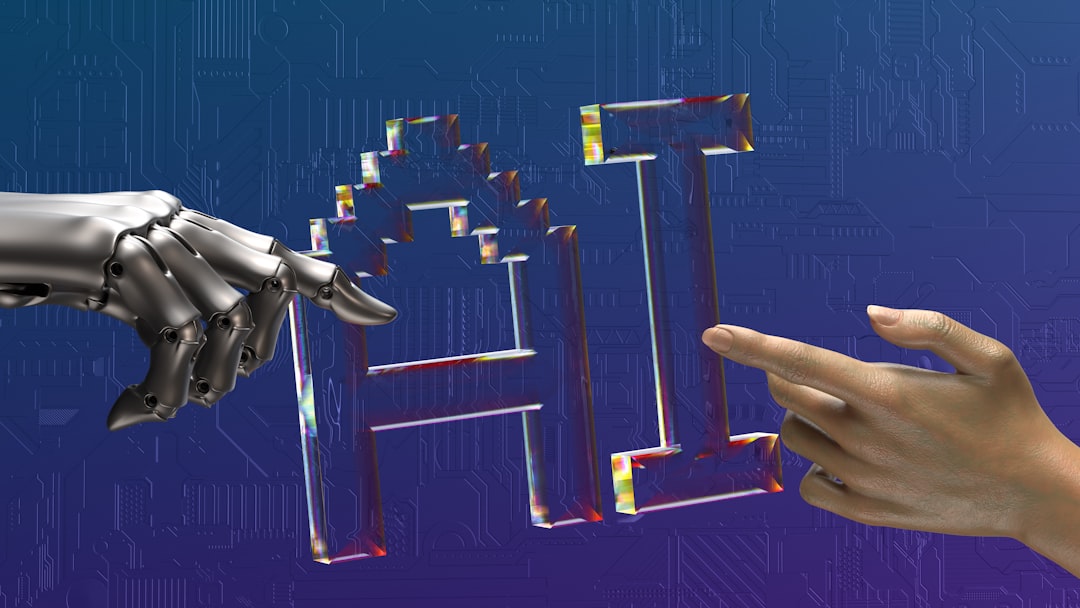
AI chatbots have emerged as a prominent application of artificial intelligence in communication, fundamentally altering how people interact with technology and each other. These virtual assistants are designed to simulate human conversation, providing users with instant responses to their inquiries. By leveraging NLP and machine learning, chatbots can understand context, recognize intent, and deliver relevant information in real-time.
This capability has made them invaluable tools for businesses aiming to improve customer engagement and streamline communication processes. The impact of AI chatbots extends beyond mere efficiency; they are also changing the dynamics of human interaction. As users become accustomed to conversing with chatbots, their expectations for communication evolve.
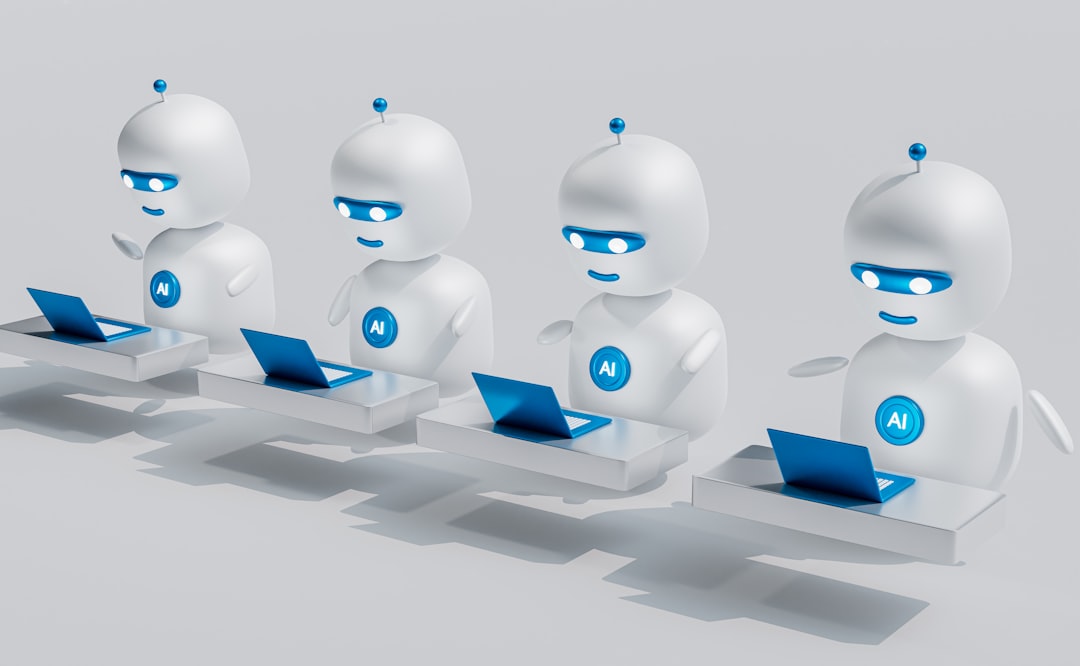
The ability of chatbots to handle multiple inquiries simultaneously allows companies to maintain a high level of responsiveness, ultimately enhancing customer satisfaction. Furthermore, as chatbots become more sophisticated, they are increasingly capable of engaging in nuanced conversations, blurring the lines between human and machine interaction.
The Benefits of Using AI Chatbots for Customer Service

The integration of AI chatbots into customer service frameworks offers numerous advantages that can significantly enhance the overall customer experience. One of the most notable benefits is the ability to provide 24/7 support. Unlike traditional customer service representatives who operate within specific hours, chatbots are available around the clock, ensuring that customers can receive assistance whenever they need it.

This constant availability not only improves customer satisfaction but also reduces the workload on human agents, allowing them to focus on more complex inquiries. Additionally, AI chatbots can handle a vast volume of inquiries simultaneously, which is particularly beneficial during peak times when customer demand surges. This scalability ensures that customers do not experience long wait times or frustration due to overwhelmed support teams. Moreover, chatbots can quickly retrieve information from databases, providing accurate answers to frequently asked questions without delay. This efficiency not only enhances the customer experience but also contributes to increased operational efficiency for businesses, ultimately leading to cost savings and improved resource allocation.
The Future of AI Chatbots: What to Expect
| メトリック | Expectations |
|---|---|
| Improved Natural Language Processing | AI chatbots will better understand and respond to human language. |
| Enhanced Personalization | Chatbots will be able to provide more tailored and personalized interactions. |
| Increased Automation | AI chatbots will handle more complex tasks and processes without human intervention. |
| Integration with IoT Devices | Chatbots will be able to interact with and control smart devices in the Internet of Things ecosystem. |
| Improved Emotional Intelligence | AI chatbots will be better at understanding and responding to human emotions. |
As technology continues to advance, the future of AI chatbots appears promising and full of potential. One significant trend is the increasing integration of machine learning algorithms that enable chatbots to learn from interactions over time. This capability will allow them to become more adept at understanding user preferences and tailoring responses accordingly.
As chatbots evolve into more personalized assistants, users can expect interactions that feel increasingly intuitive and human-like. Moreover, the future may see the incorporation of voice recognition technology into chatbot systems, allowing for seamless voice-based interactions. This development could further enhance user experience by enabling hands-free communication and making it easier for individuals to engage with chatbots in various contexts.
Additionally, as businesses continue to recognize the value of data analytics, chatbots will likely play a crucial role in gathering insights about customer behavior and preferences, informing marketing strategies and product development.
Overcoming Challenges in AI Chatbot Communication
Despite the many advantages that AI chatbots offer, there are challenges that must be addressed to ensure effective communication between humans and machines. One significant hurdle is the potential for misunderstandings due to limitations in natural language processing. While chatbots have made significant strides in understanding context and intent, they may still struggle with nuances such as sarcasm or idiomatic expressions.
This limitation can lead to frustrating experiences for users who expect a more sophisticated level of interaction. Another challenge lies in ensuring that chatbots maintain a human touch in their responses. While efficiency is essential, users often seek empathy and understanding in their interactions, especially when dealing with sensitive issues.
Striking the right balance between automation and human-like interaction is crucial for maintaining user trust and satisfaction. To overcome these challenges, ongoing advancements in AI technology must focus on enhancing emotional intelligence within chatbots, allowing them to respond more effectively to user emotions and needs.
Ethical Considerations in AI Chatbot Communication

As AI chatbots become increasingly integrated into everyday communication, ethical considerations surrounding their use must be carefully examined.
Failing to disclose this information can lead to feelings of deception and erode trust between users and businesses.
Clear communication about the role of chatbots in customer service is essential for fostering transparency. Another ethical consideration involves data privacy and security. Chatbots often collect personal information from users during interactions, raising concerns about how this data is stored and utilized.
Businesses must prioritize safeguarding user data and ensure compliance with relevant regulations to protect consumer privacy. Additionally, ethical guidelines should be established regarding how chatbots handle sensitive topics or personal information, ensuring that users feel safe and respected during their interactions.
The Role of AI Chatbots in Personal and Professional Communication
AI chatbots are not limited to customer service; they are also making significant strides in personal and professional communication realms. In personal contexts, chatbots can assist individuals with daily tasks such as scheduling appointments, setting reminders, or providing recommendations based on user preferences. This functionality enhances productivity by streamlining routine activities and allowing individuals to focus on more meaningful interactions.
In professional settings, AI chatbots are increasingly being utilized for internal communication within organizations. They can facilitate collaboration by providing team members with quick access to information or resources, thereby improving workflow efficiency. Additionally, chatbots can assist in onboarding new employees by answering common questions and guiding them through company processes.
As organizations continue to embrace remote work and digital collaboration tools, the role of AI chatbots in enhancing communication will likely expand further.
Tips for Effective Communication with AI Chatbots
To maximize the benefits of interacting with AI chatbots, users can adopt specific strategies that enhance their communication experience. First and foremost, clarity is key; users should articulate their questions or requests as clearly as possible to help the chatbot understand their intent accurately. Avoiding ambiguous language or complex phrasing can lead to more effective interactions.
Additionally, users should be patient when engaging with chatbots, recognizing that while they are designed to assist, they may not always provide perfect responses. If a chatbot fails to understand a query or provides an unsatisfactory answer, rephrasing the question or providing additional context can often lead to better results. Lastly, users should remain aware of the limitations of chatbots; while they can handle many tasks efficiently, there are instances where human intervention may be necessary for more complex issues.
In conclusion, the rise of AI in communication has ushered in a new era characterized by enhanced efficiency and engagement through tools like AI chatbots. As these technologies continue to evolve, they will undoubtedly play an increasingly vital role in shaping how individuals and organizations communicate both personally and professionally. By understanding the benefits and challenges associated with AI chatbot communication, users can navigate this landscape effectively while embracing the opportunities it presents for improved interaction in an ever-changing digital world.
In a recent article on small business growth, the importance of implementing a customer-centric strategy for success was highlighted. This strategy involves putting the customer at the center of all business decisions and interactions. Just like in conversations with an AI, where the focus is on providing a personalized and helpful experience for the user, small businesses can benefit greatly from prioritizing the needs and preferences of their customers. To learn more about how a customer-centric approach can drive growth for small businesses, check out this article.
よくあるご質問(FAQ)
What is an AI conversation?
An AI conversation refers to a conversation with an artificial intelligence program or chatbot. This involves interacting with a computer program that is designed to simulate human conversation.
How does an AI conversation work?
AI conversations work by using natural language processing and machine learning algorithms to understand and respond to human input. The AI program analyzes the input, processes it, and generates a response based on its programming and the data it has been trained on.
What are the applications of AI conversations?
AI conversations have various applications, including customer service chatbots, virtual assistants, language translation, and educational tools. They can also be used for entertainment and companionship.
What are the benefits of AI conversations?
The benefits of AI conversations include 24/7 availability, scalability, cost-effectiveness, and the ability to handle repetitive tasks. They can also provide personalized and consistent interactions with users.
What are the limitations of AI conversations?
Limitations of AI conversations include the potential for misunderstandings, lack of emotional intelligence, and the inability to handle complex or nuanced conversations. Additionally, AI conversations may raise concerns about privacy and data security.
メッセージを残してください